
Paid $1,650 an Hour by Mistake: The Caregiver Who Kept $19,388 — and Was Charged With Felony Theft
 Beyond Facts Team
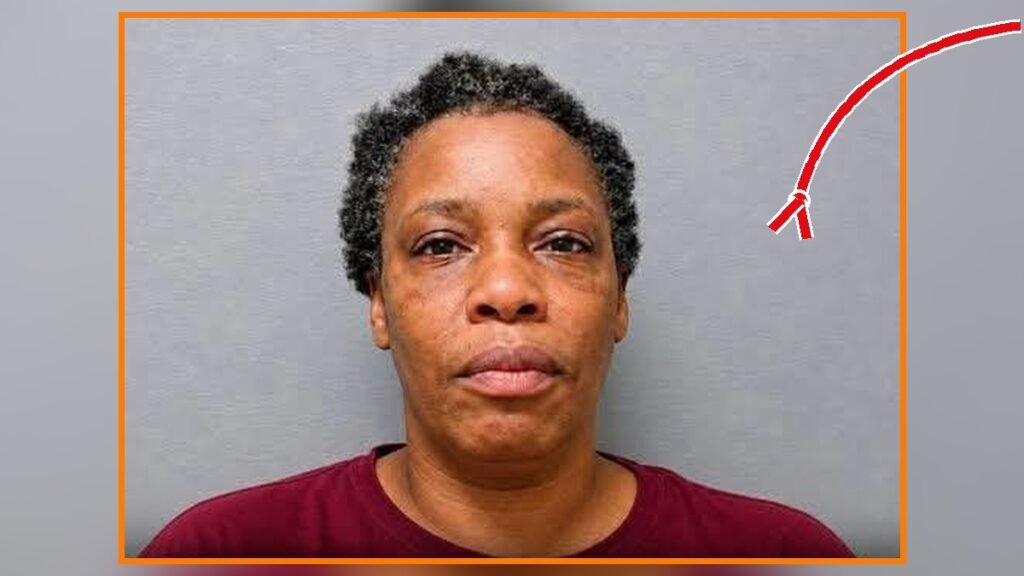
The mugshot meme is brutal in its simplicity: a woman was paid $1,650 an hour instead of $16.50 because of a payroll error, banked $19,400 for a single shift, refused to give it back, and allegedly delivered the quote of the year — “No, sir. This is my come up.” It sounds like an internet fable. This time, unusually, the skeleton of the story is real, documented in a court affidavit and local news reports. Here is what actually happened in Jonesboro, Arkansas — including the parts the meme invented.
The short answer: in May 2025, a payroll error paid caregiver Rene Nichole Coleman, 50, of Jonesboro, Arkansas, at $1,650 an hour instead of $16.50 for a 12-hour shift — an overpayment of $19,388, according to the court affidavit reported by local station KAIT. Coleman allegedly refused to return the money. In April 2026 she was arrested and charged with Class C felony theft of property. She has been charged, not convicted — and the meme’s famous quote does not appear in the court-based reporting.
One Shift, One Missing Decimal
On May 10, 2025, Coleman worked a 12-hour shift for Superior Senior Care, an in-home care provider based in Jonesboro, in northeast Arkansas. Her regular wage was $16.50 an hour. Somewhere in the company’s payroll processing, a decimal point went missing: her rate was entered as $1,650 an hour — exactly one hundred times what it should have been.
Twelve hours at that rate produced a deposit with an extra $19,388 in it, per the probable-cause affidavit later obtained by USA Today. For a caregiver earning $16.50 an hour, that single glitch was worth more than seven months of wages, delivered overnight.
The Refusal
According to the affidavit, the story turned from accident to allegation when the company discovered the error and asked for the money back. The business’s CEO notified Coleman and, when the money was not returned, went to the Jonesboro Police Department on August 12, 2025, filing a theft report supported by financial documents and email correspondence.
The affidavit’s conclusion, as reported by KAIT, is blunt: “When the error was noticed, Coleman refused to pay back the money.”
Investigators say a detective then contacted Coleman, who initially agreed to meet — and did not show up for the scheduled interview. A bench warrant followed (reported as issued on August 18, 2025), and the case went quiet for months while the warrant sat outstanding.
The Arrest
In early April 2026, the case caught up with her. Coleman was booked into the Craighead County Detention Center on April 4, 2026, and on April 6, Craighead County District Judge David Boling found probable cause to charge her with theft of property valued between $5,000 and $25,000 — a Class C felony under Arkansas law. Her bond was set at $15,000 (cash or surety), she was released, and her arraignment was scheduled for May 18, 2026.
As of this writing, no verdict or final outcome in the case has been widely reported. Coleman is entitled to the presumption of innocence: a charge is an allegation the state must prove, not a conclusion.
What the Meme Gets Right — and What It Invents
Because this photograph — her Craighead County booking photo, credited to the Sheriff’s Office in news reports — travels with such confidence, it is worth separating the record from the garnish:
- True: the $1,650 vs $16.50 error, the 12-hour shift, the refusal, the felony arrest. The core story is documented in court filings and local reporting.
- Rounded: the overpayment in the affidavit is $19,388 — the meme’s “$19,400 earned in one shift” is the same number, rounded up.
- Unverified: the quote. “No, sir. This is my come up” does not appear in the court-based reporting we could find; it belongs to the viral retellings. (One secondary account of the affidavit describes a far harsher alleged remark to the employer — also not independently confirmed by all outlets.) Treat every “quote” in a mugshot meme as guilty until proven innocent.
- Added later: details in some viral versions — such as the money being spent on specific purchases — circulate in social posts rather than in the affidavit coverage.
Why Keeping It Became a Crime
To most people, the legal logic feels backwards: the company made the mistake — why is keeping the money theft? The answer lies in one word lawyers use constantly: notification.
Money paid by mistake is not legally a gift. In general across the United States, an employer who overpays wages by error is entitled to recover the overpayment, and an employee has no right to keep money they know — or are told — was never theirs. The moment the recipient is notified of the error, continuing to hold or spend the money can cross the line from a civil debt into criminal territory: keeping property you know belongs to someone else, with no intention of returning it, is the shape of theft by conversion. That notification is the hinge of the Arkansas case: prosecutors’ theory is not that Coleman received the money — receiving it was the company’s error — but that she kept it, after being told, despite being asked.
The practical guidance from cases like this is unglamorous:
- Don’t spend an obvious overpayment. If the number looks wrong, it almost certainly is — and the error will be found.
- Notify your employer in writing and ask how it will be corrected; most overpayments are fixed quietly by reversal or a repayment plan.
- Know that rules vary by state and employer — but nowhere does “they sent it, so it’s mine” survive contact with a courtroom.
The Argument the Internet Keeps Having
Coleman’s photograph now anchors one of social media’s favourite debates. One side treats the story as folk justice: a low-paid caregiver, a faceless company’s blunder, and a once-in-a-lifetime windfall — collect $19,400, do not pass go. The other side points at the affidavit: the windfall lasted until the first phone call, and everything after that call was a choice, with a felony file number attached.
Both sides agree on the only uncontested fact: a missing decimal point — one character, in one payroll system, on one ordinary shift in Arkansas — was enough to turn a $198 payday into a criminal case that will follow a 50-year-old caregiver for years. Whatever the court ultimately decides about Rene Coleman, the meme will keep travelling without her verdict attached. That, as ever, is the part worth remembering.
Frequently Asked Questions
Is the $1,650-an-hour meme real?
Mostly, yes. Local reporting (KAIT) based on a court affidavit documents the payroll error, the $19,388 overpayment, the refusal and the felony charge against Rene Nichole Coleman of Jonesboro, Arkansas. The meme’s exact quote, however, is not in the court-based reporting.
Was she convicted?
Not in any reporting we could find. She was charged in April 2026 with Class C felony theft of property ($5,000–$25,000), released on a $15,000 bond, with arraignment scheduled for May 18, 2026. A charge is an allegation, and she is presumed innocent unless convicted.
Can you legally keep money your employer pays you by mistake?
Generally, no. Wages paid by error remain the employer’s money; once you know about the mistake, employers can typically recover the overpayment, and knowingly keeping or spending it can lead to civil recovery — or, as in this case, criminal charges. Rules and procedures vary by state.
What should you do if your paycheck is suddenly far too big?
Tell your employer, in writing, and don’t spend the excess. Most errors are corrected by reversal, deduction or a repayment agreement. The legal danger starts when the money is kept or spent after the error is known.
Sources and Further Reading
- Agenda Papers, reporting KAIT — “50 year old woman arrested in America for refusing to refund $19,400 mistakenly paid to her account by her boss” (the affidavit, the CEO’s August 12, 2025 report, the probable-cause finding): agendapapers.com
- Black News, reporting KAIT8 — “Woman Mistakenly Paid $1,650 an Hour Instead of $16.50 Arrested After Refusing to Return Money to Employer” (the missed detective meeting, the April 6 arrest, bond and court date): blacknews.com
- Internewscast — “Arkansas Resident Rene Coleman Allegedly Retains $20K Mistakenly Paid by Employer” (Superior Senior Care named; the affidavit obtained by USA Today): internewscast.com
- Tuko — “Woman Mistakenly Paid KSh 2.5 Million Refuses to Return Money to Employer” (identifies the circulating photograph as Coleman’s Craighead County mugshot): tuko.co.ke
Featured image: built from the viral meme’s photograph — Rene Coleman’s Craighead County booking photo, as credited in news reports — with a red arrow marking the woman at the centre of the case.
More from Beyond Facts: read “American Airlines Flight 191: The 31 Seconds That Killed 273 People in America’s Deadliest Air Disaster.”