
 tehsinjani01@gmail.com
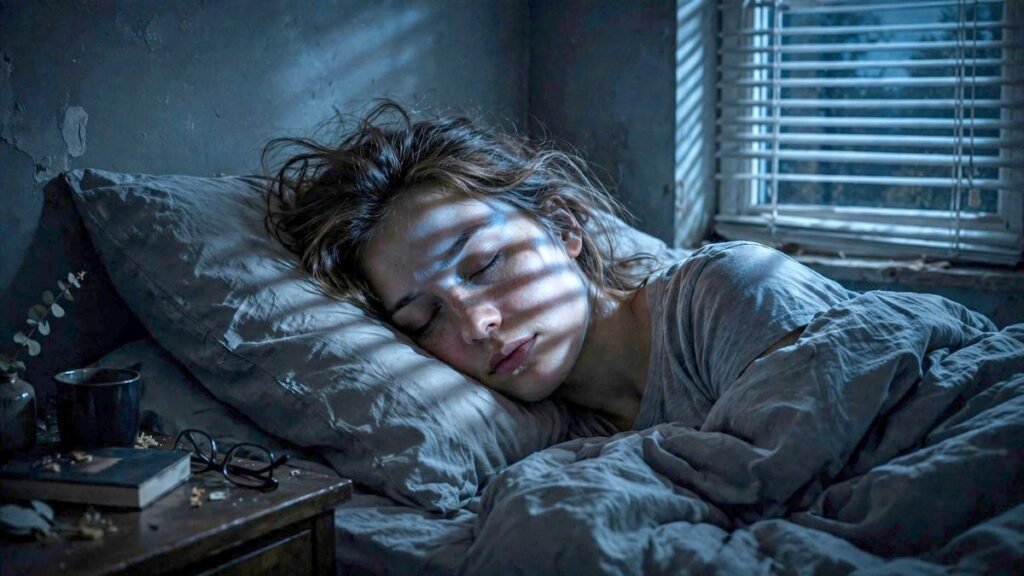
You close your eyes, the room goes quiet, and from the outside it looks like your body has simply switched off. Nothing could be further from the truth. While you sleep, your brain runs a busy night shift of cleaning, repairing, sorting memories and running strange little safety routines you never asked for. Some of what happens is impressive. Some of it is honestly a bit weird.
Here are 12 weird sleep facts that show what really happens to your body at night — and why a good night of sleep changes how you feel, think and function the next day.
The Short Answer: Your Body Never Really “Switches Off”
Sleep is an active process, not a pause button. Through the night, you cycle through light sleep, deep sleep and dream sleep (REM) roughly every 90 minutes. In deep sleep, your body focuses on repair and cleaning. In REM sleep, your brain becomes highly active, your eyes dart around under your eyelids, and most vivid dreams happen — while your muscles are temporarily switched off. Miss out on these stages regularly, and your memory, mood and health all pay the price.
1. Your Brain Washes Itself While You Sleep
During deep sleep, a cleaning system in the brain — called the glymphatic system — becomes much more active. Cerebrospinal fluid flows through brain tissue and flushes out metabolic waste that built up during the day, including proteins linked in research to Alzheimer’s disease. Think of it as a night crew hosing down the streets after a busy day. This is one big reason deep sleep leaves your mind feeling clearer in the morning.
2. Your Body Becomes Paralyzed During Dreams
In REM sleep, when your most vivid, story-like dreams happen, your brain deliberately shuts off most of your voluntary muscles. This temporary paralysis is called REM atonia, and researchers believe it exists for a simple, brilliant reason: it stops you from physically acting out your dreams. You can run, fight or fly inside the dream — while your real body stays safely still in bed.
3. Your Core Temperature Drops Every Night
Falling asleep is partly a cooling process. As bedtime approaches, your core body temperature begins to drop, and it stays lower through the night, reaching its lowest point in the early morning hours. This cooling helps trigger and maintain sleep, which is why a cool bedroom usually feels more comfortable for sleeping than a warm one. Your hands and feet may feel warm as your body pushes heat outward to lower its core temperature.
4. You Repeat the Same Sleep Cycle 4 to 6 Times a Night
One full trip through the stages of sleep — light sleep, deep sleep, then REM — takes about 90 to 120 minutes, and most people repeat it four to six times a night. The pattern changes as the night goes on: deep sleep dominates the first half, while dream-filled REM periods get longer toward morning. That is why dreams you remember often happen just before you wake up.
5. Your Brain Decides What You Remember — and What You Forget
Sleep is when your brain files the day away. During the night, it strengthens important memories, connects new information with older knowledge and lets unimportant details fade. This process, called memory consolidation, is a major reason students are told to sleep well before an exam instead of studying all night. A short night does not just make you tired — it can make yesterday’s lessons literally harder to keep.
6. Your Body Repairs Itself in Deep Sleep
Deep sleep is your body’s workshop. During this stage, the body releases growth hormone, repairs muscles and tissues, and supports the immune system. Heart rate, breathing and brain activity all reach their lowest levels, giving your systems time to recover. This is also the stage that leaves you feeling physically restored — and the hardest stage to wake someone from. Wake a person in deep sleep and they often feel foggy and confused for several minutes.
7. Your Heart and Blood Pressure Take a Nightly Break
As you move into non-REM sleep, your heart rate slows and your blood pressure falls — a natural nightly dip that gives your cardiovascular system a rest. During REM sleep, by contrast, heart rate and blood pressure become more variable, rising and falling with the action of your dreams. Healthy sleep is a rhythm of rest and activity for your heart, not a flat line.
8. That Falling Feeling Has a Name: Hypnic Jerks
Just as you are drifting off, your body suddenly jolts — often with a vivid sense of falling. These are hypnic jerks, also called sleep starts, and research suggests around 60 to 70 percent of people experience them. They happen during the transition into sleep, and caffeine, stress, exhaustion and hard exercise late in the day can make them more likely. Scientists still debate exactly why they happen, but for most people they are harmless — if startling.
9. You Dream Every Night, Even When You Remember Nothing
Most adults dream multiple times a night, mainly during REM sleep, whether they recall it or not. Dream memories fade incredibly fast — if you do not wake during or just after a dream, it usually vanishes. Keeping a notebook by the bed and writing immediately on waking is the oldest trick for catching them. So if you think you “never dream,” the truth is simpler: you dream, then your brain throws the recording away.
10. Your Sense of Smell Clocks Out at Night
Here is a fact that could save your life: your sense of smell becomes much less reliable during sleep, and odors alone are poor at waking people up. Studies testing smells during sleep found that even strong scents often fail to rouse sleepers, especially in deep sleep. This is exactly why smoke alarms use loud sound rather than smell — and why a working alarm matters far more than trusting your nose at night.
11. Your Brain Can Glitch at the Edges of Sleep
Two of the strangest sleep experiences happen when the brain’s stages get out of sync. In sleep paralysis, you wake up while REM muscle paralysis is still active — awake, aware, but briefly unable to move, sometimes with dream-like hallucinations. In exploding head syndrome, a person hears an imagined loud bang or crash while falling asleep or waking. Both sound frightening, both are recognized sleep phenomena, and both are usually harmless — though frequent episodes are worth mentioning to a doctor.
12. You Will Spend About a Third of Your Life Asleep
Add it all up and the numbers are startling. If you live to a typical age, you will spend roughly a third of your life asleep — often estimated at around 26 years — plus several more years dreaming. That is not wasted time. It is maintenance time your brain and body cannot skip without consequences. People who regularly cut sleep short are not “saving” hours; they are borrowing them from their own health, at interest.
The Bottom Line
Your body at night is anything but idle. It cleans the brain, repairs tissue, files memories, guards your dreams by freezing your muscles, and runs through the same cycle again and again until morning. Understanding these weird sleep facts is more than trivia — it explains why sleep deserves the same respect as food and exercise. Protect your nights, and your days will show it.
If sleep problems, loud snoring, or constant daytime exhaustion are part of your life, do not just push through it — talk to a doctor or sleep specialist. Some sleep issues are signs of treatable conditions.
Frequently Asked Questions
How much sleep do adults actually need?
Most adults need at least 7 hours of good-quality sleep a night, and many health organizations recommend 7 to 9 hours. Needs vary a little from person to person, but regularly sleeping under 6 hours is linked to poorer concentration, mood and long-term health.
Why do I sometimes wake up feeling groggy even after a full night?
That foggy feeling is called sleep inertia. It is worst when an alarm pulls you out of deep sleep in the middle of a cycle. Waking at the end of a roughly 90-minute cycle — or keeping a consistent sleep schedule — usually makes mornings feel easier.
Do we really swallow spiders in our sleep?
No — this famous claim is a myth. Spiders have little reason to crawl into a sleeping person’s mouth, and vibrations from breathing and heartbeat tend to keep them away. Sleep experts and entomologists have repeatedly debunked it. Sleep peacefully on this one.
Is it normal to talk or twitch in my sleep?
Usually, yes. Occasional sleep talking, twitches and hypnic jerks are common and harmless for most people. If movements are violent, frequent, or leave you exhausted in the day, mention it to a doctor to rule out a sleep disorder.
Sources and Further Reading
- Sleep Foundation — What Happens When You Sleep
- National Heart, Lung, and Blood Institute (NHLBI) — How Sleep Works
- National Institute of Child Health and Human Development (NICHD) — What Happens During Sleep
- Centers for Disease Control and Prevention (CDC) — How Much Sleep Do You Need?
Want more strange science of the night? Explore our Sleep Facts and Human Body Mysteries categories for more stories from the hidden side of your body.




1 thought on “12 Weird Sleep Facts: What Really Happens to Your Body at Night”